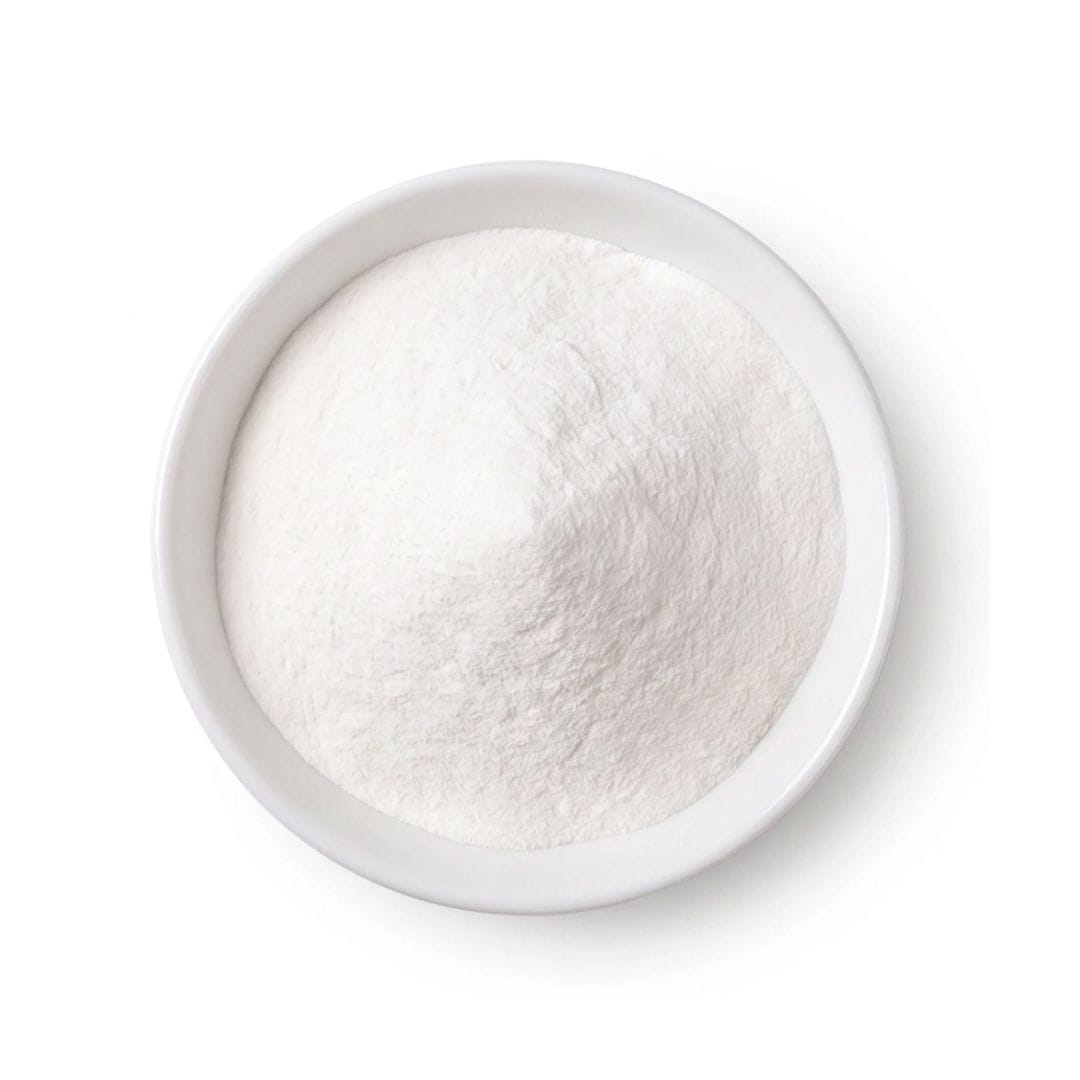
The Extract Factory is a specialized manufacturer and wholesale supplier of premium Sodium Hyaluronic Acid Powder, delivering fermentation-derived sodium hyaluronate engineered for formulation stability, predictable rheological behavior, and seamless integration across skincare, medical aesthetic, dietary supplement, and ophthalmic applications. Our commitment to tight process control from bioreactor to final packaging ensures that cosmetic chemists, contract manufacturers, and global distributors receive consistent material with every order—supported by competitive bulk pricing and reliable long-term supply planning.
Why Formulators Choose Our Sodium Hyaluronate Powder
Unlike commodity-grade alternatives subject to batch-to-batch variability, our hyaluronic acid powder is manufactured under tightly controlled fermentation parameters. This guarantees uniform molecular weight distribution, ultra-low impurity profiles, and reliable viscosity performance—critical attributes when scaling from pilot batches to commercial production.
Molecular Weight Options for Targeted Performance
We offer standardized Sodium Hyaluronate across multiple molecular weight (MW) ranges to align with diverse formulation objectives:
- Low Molecular Weight (LMW): 10–50 kDa – Optimized for enhanced dermal penetration and anti-aging serums targeting deeper epidermal conditioning.
- Medium Molecular Weight (MMW): 100–300 kDa – Delivers balanced hydration with moderate film formation and pleasing skin-feel characteristics.
- High Molecular Weight (HMW): 0.8–1.5 MDa – Provides superior surface hydration, strong film-forming capacity, and rheological modification ideal for creams, lotions, and leave-on masks.
Multi-weight blending strategies are fully supported for brands seeking synergistic, multi-layer hydration systems.
Fermentation Excellence & Vegan Origin
Our Sodium Hyaluronate is 100% fermentation-derived using non-pathogenic microbial strains under controlled aerobic conditions. The process eliminates animal-derived materials entirely, resulting in a vegan-friendly, non-GMO humectant suitable for clean-label cosmetics and sensitive global markets.
Manufacturing Process & Technical Rigor
Controlled Bio-Fermentation & Multi-Stage Purification
Production begins with meticulous strain selection followed by submerged fermentation. Real-time monitoring of dissolved oxygen, pH, and temperature ensures optimal polysaccharide yield and chain-length consistency. Post-fermentation, the broth undergoes:
- Primary filtration and cellular biomass removal
- Protein precipitation and activated carbon decolorization
- Multi-stage ultrafiltration for molecular weight fractionation and concentration
- Selective alcohol precipitation to isolate high-purity hyaluronate
- Vacuum-assisted low-temperature drying to preserve polymer integrity
- Precision milling and sieving to achieve uniform particle size distribution
Each stage is documented under rigorous batch records to ensure full traceability from raw material to finished powder.
Certificate of Analysis & Technical Specifications
Every lot is accompanied by comprehensive analytical documentation verifying compliance with cosmetic and nutraceutical raw material standards.
Physical and Chemical Properties
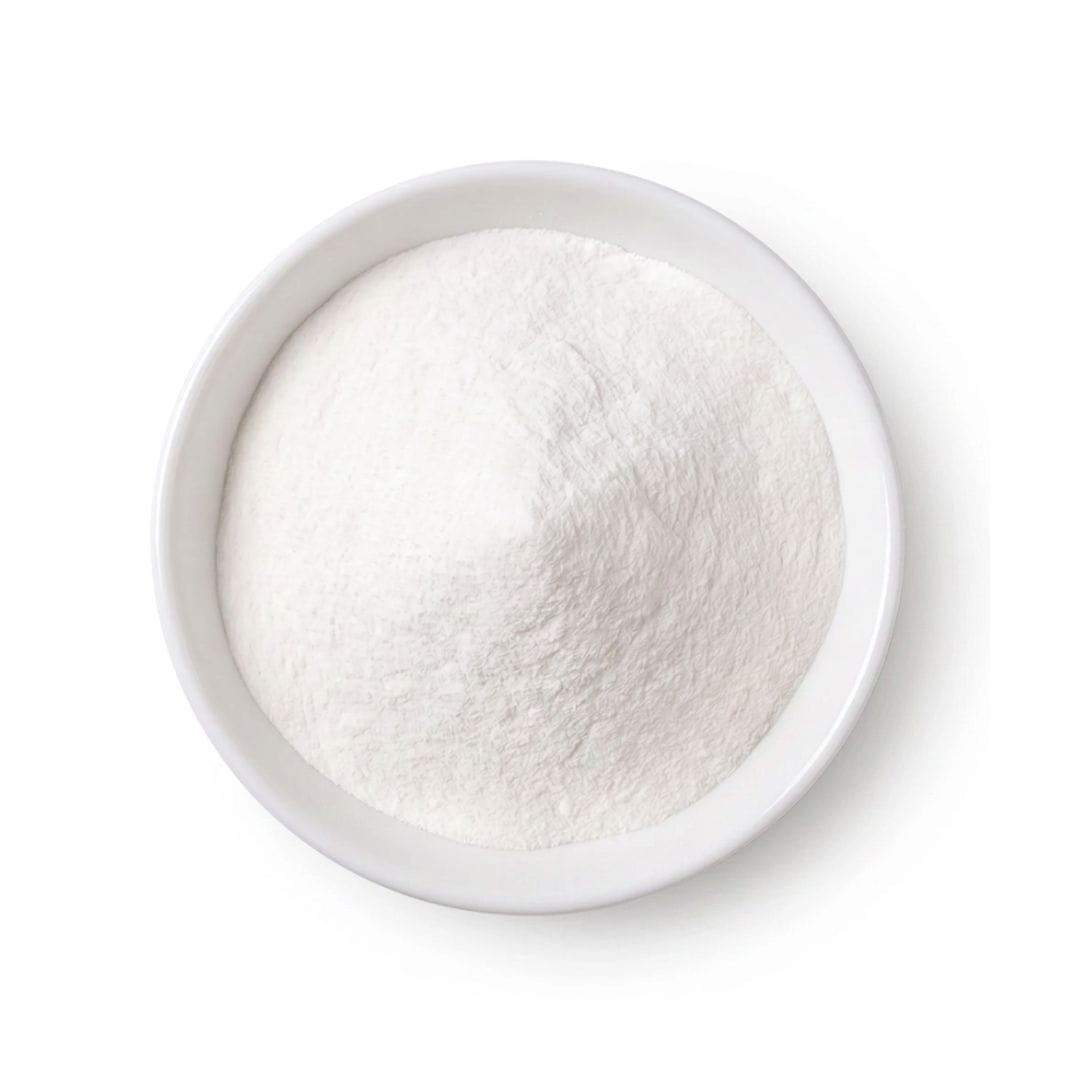
- Appearance: White to off-white fine powder
- Identification: Positive reaction confirmed by IR and UV spectroscopy
- Assay (Hyaluronic Acid): ≥ 95.0% (Actual: 97.8%)
- Sodium Hyaluronate Content: ≥ 95.0% on a dry basis (Actual: 96.5%)
- Molecular Weight (Standard Grade): 0.8 – 1.5 MDa (Actual: 1.22 MDa)
- Intrinsic Viscosity: 1.0 – 2.0 m³/kg (Actual: 1.45 m³/kg)
- Glucuronic Acid: ≥ 44.0% (Actual: 46.2%)
- pH (0.1% aqueous solution): 5.0 – 8.5 (Actual: 6.8)
- Particle Size: 80–120 mesh (Actual: 100 mesh)
- Viscosity (0.5% solution, 25°C): 300 – 800 mPa·s (Actual: 620 mPa·s)
Purity & Safety Profile
- Protein Content: ≤ 0.1% (Actual: 0.04%)
- Nucleic Acids: ≤ 0.5% (Actual: 0.18%)
- Loss on Drying: ≤ 10.0% (Actual: 6.1%)
- Residue on Ignition: ≤ 20.0% (Actual: 12.3%)
Heavy Metals & Microbiological Standards
- Total Heavy Metals: ≤ 10 ppm (Actual: < 5 ppm)
- Lead (Pb): ≤ 2 ppm (Actual: 0.6 ppm)
- Arsenic (As): ≤ 1 ppm (Actual: < 0.3 ppm)
- Mercury (Hg): ≤ 0.1 ppm (Actual: < 0.05 ppm)
- Cadmium (Cd): ≤ 1 ppm (Actual: < 0.2 ppm)
- Total Plate Count: ≤ 100 CFU/g (Actual: < 10 CFU/g)
- Yeast & Mold: ≤ 10 CFU/g (Actual: < 10 CFU/g)
- E. coli: Negative
- Salmonella: Negative
- Staphylococcus aureus: Negative
Quality Control & Batch Consistency
Our multi-tiered QC infrastructure validates material integrity at every critical control point:
- Incoming raw material microbial screening and media qualification
- In-process fermentation analytics with real-time metabolite and viscosity tracking
- Intermediate purity validation following ultrafiltration
- Final release testing encompassing molecular weight confirmation, rheological profiling, and accelerated stability evaluation under ICH-guided conditions
This systematic approach minimizes formulation risk and supports regulatory documentation for cosmetic safety assessments and nutraceutical ingredient qualification.
Functional Properties & Formulation Benefits
Exceptional Hydration & Water-Binding Capacity
Sodium Hyaluronate is a naturally occurring glycosaminoglycan renowned for retaining up to 1,000 times its molecular weight in water. When incorporated at concentrations as low as 0.05–0.5%, it delivers sustained moisturization, improved skin barrier function, and perceptible texture enhancement in both leave-on and rinse-off applications.
pH Stability & Solubility
Our powder exhibits excellent cold-water solubility and remains stable across a pH spectrum of 5.0–8.5. This compatibility simplifies incorporation into aqueous serums, emulsions, gel matrices, and ophthalmic preparations without complex heating protocols.
Synergistic Compatibility
Sodium Hyaluronate functions as a versatile humectant and texture modifier that pairs effectively with retinoids, L-Ascorbic acid and stable Vitamin C derivatives, niacinamide, peptide complexes, botanical extracts, ceramide blends, alpha-hydroxy acids (AHAs), and polyhydroxy acids (PHAs). Its non-ionic character reduces ionic incompatibility in complex multi-active formulations.
Industry Applications
Cosmeceutical & Personal Care
Ideal for anti-aging serums, hydrating toners, sheet mask essences, eye creams, and post-procedural dermal care. High-MW grades provide immediate tightening and moisture-sealing effects, while LMW variants support deeper epidermal conditioning and barrier repair claims.
Nutraceutical & Functional Food
Food-grade and nutraceutical-grade Sodium Hyaluronate is increasingly utilized in beauty-from-within capsules, collagen cofactor powders, and functional beverages targeting skin elasticity, joint mobility, and connective tissue hydration.
Pharmaceutical & Ophthalmic
High-purity grades serve as viscoelastic agents in intraocular solutions, topical wound healing dressings, and drug delivery systems requiring biocompatible, biodegradable polymer matrices.
Packaging, Storage & Shelf Life
To preserve polymer integrity and prevent moisture ingress, Sodium Hyaluronic Acid Powder is packaged in multi-layer, heat-sealed containers with desiccant protection. Standard bulk configurations include flexible volumes suitable for R&D trials through to full-scale production, with custom OEM and private-label packaging available for branded ingredient lines.
Storage Recommendations:
- Maintain in a cool, dry environment away from direct sunlight and heat sources
- Keep containers tightly sealed when not in use
- Recommended storage temperature below 25°C with relative humidity below 60%
- Shelf Life: 24 months under optimal storage conditions
Frequently Asked Questions
What distinguishes Hyaluronic Acid from Sodium Hyaluronate?
Hyaluronic Acid refers to the acidic polysaccharide in its native state. Sodium Hyaluronate is the neutralized sodium salt form, offering superior aqueous solubility, thermal stability, and processing ease—making it the preferred specification for cosmetic, pharmaceutical, and ingestible formulations.
Which molecular weight suits my formulation needs?
Low Molecular Weight penetrates deeper into the stratum corneum and is favored for repair-focused and anti-aging products. Medium Molecular Weight provides equilibrium between absorption and surface retention. High Molecular Weight creates breathable occlusive films ideal for moisturizers and sleeping masks. Strategic combinations yield comprehensive hydration profiles.
Is this material animal-derived?
No. The Extract Factory produces Sodium Hyaluronate exclusively through controlled microbial fermentation. It contains no animal tissues or byproducts, qualifying it as vegan-compliant and suitable for cruelty-free certification pathways.
Can Sodium Hyaluronate be incorporated into oral supplements?
Yes. When specified in food-grade or nutraceutical-grade quality, it is fully suitable for encapsulation, tablet compression, and soluble drink powder applications targeting dermal hydration and synovial fluid support.
How stable is Sodium Hyaluronate in finished products?
The ingredient demonstrates excellent stability within pH 5.0–8.5 and is compatible with most cosmetic preservatives and active compounds. Avoid prolonged exposure to strong oxidizing agents and extreme alkaline conditions to maintain polymer chain integrity.
Why does molecular weight significantly impact product performance?
Molecular weight directly governs rheology, skin penetration depth, film elasticity, and residence time on the epidermis. Selecting the appropriate molecular weight—or a strategic blend—is essential to achieving label claims related to instant hydration, long-term barrier repair, or viscosity building.
Is it compatible with aggressive actives like Vitamin C or retinol?
Absolutely. Sodium Hyaluronate is frequently used alongside retinol, retinaldehyde, and acidic Vitamin C forms to mitigate transepidermal water loss and reduce potential irritation, thereby improving consumer tolerance and overall product elegance.
Your Strategic Partner for Bulk Sodium Hyaluronate Supply
The Extract Factory delivers more than raw material—we provide formulation security. In an industry where molecular weight drift and microbial variability can compromise entire production runs, our fermentation-based Sodium Hyaluronic Acid Powder offers the specification fidelity that cosmetic manufacturers, supplement brands, and global distributors require.
We support flexible minimum order quantities for development phases, stable long-term allocation agreements for continuous production cycles, and OEM customization for private-label ingredient programs. Whether you are reformulating a flagship serum, developing a novel nutricosmetic line, or sourcing pharmaceutical-grade material, our technical team is prepared to assist with specification alignment and application guidance.
Contact us today at [email protected] to request a quotation, technical data package, or sample for formulation evaluation.